Product Stories
Design & Development
Julian Bell
The Question That Started Everything


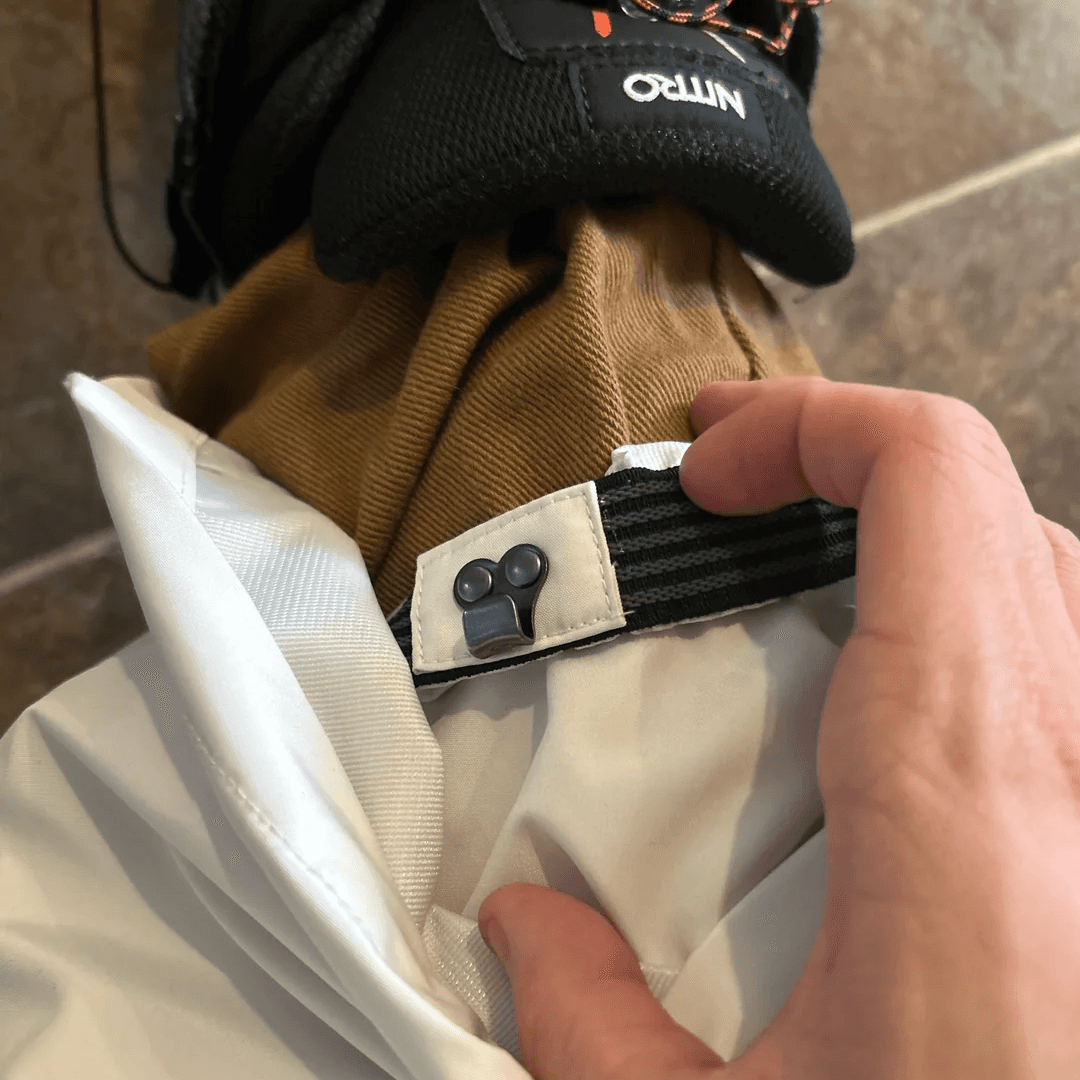
There's a silicone gripper in the cuff of a snowboard pant, and it exists for one reason: to keep the gaiters in place. It's a small strip of textured silicone sewn into the hem that grips the boot and keeps snow out. Unglamorous. Effective. I've pulled on a pair of snowboard pants probably a thousand times and barely thought about it.
Then I started thinking about it.
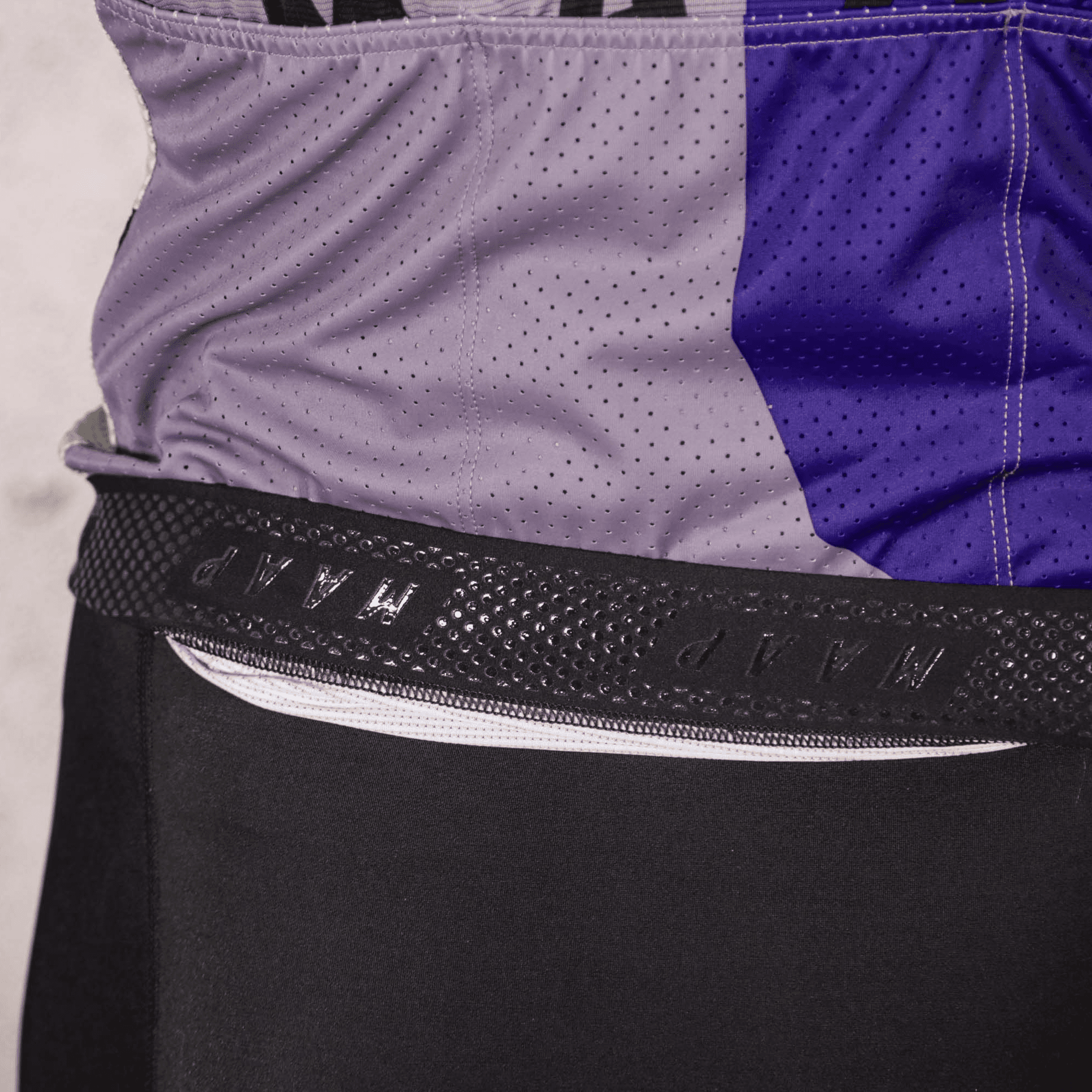
Cycling bibs have them on the thighs, that small strip of grip that keeps the short exactly where it should be through five hours in the saddle. Trail running socks have a silicone band at the cuff so they don't slide into your shoe on a long descent. Three different sports, three different applications, one recurring answer to the same basic problem: keep the thing where it belongs.
Swimwear doesn't have it.
That half-second hesitation before a dive, one hand moving toward a top that might not survive the entry. I'd watched enough of my friends hesitate at the edge of a boat to know this was a problem worth solving. Not a marketing problem. A functional one. The kind that's obvious once you've seen it and impossible to unsee.
The question I couldn't answer was simpler than it sounds: does silicone actually grip wet skin? In a ski pant it's gripping a boot. In a cycling bib it never gets submerged. I genuinely didn't know.

So we took it to the water. A few of the beaches here in Vancouver, some willing testers, and one very straightforward question to answer.
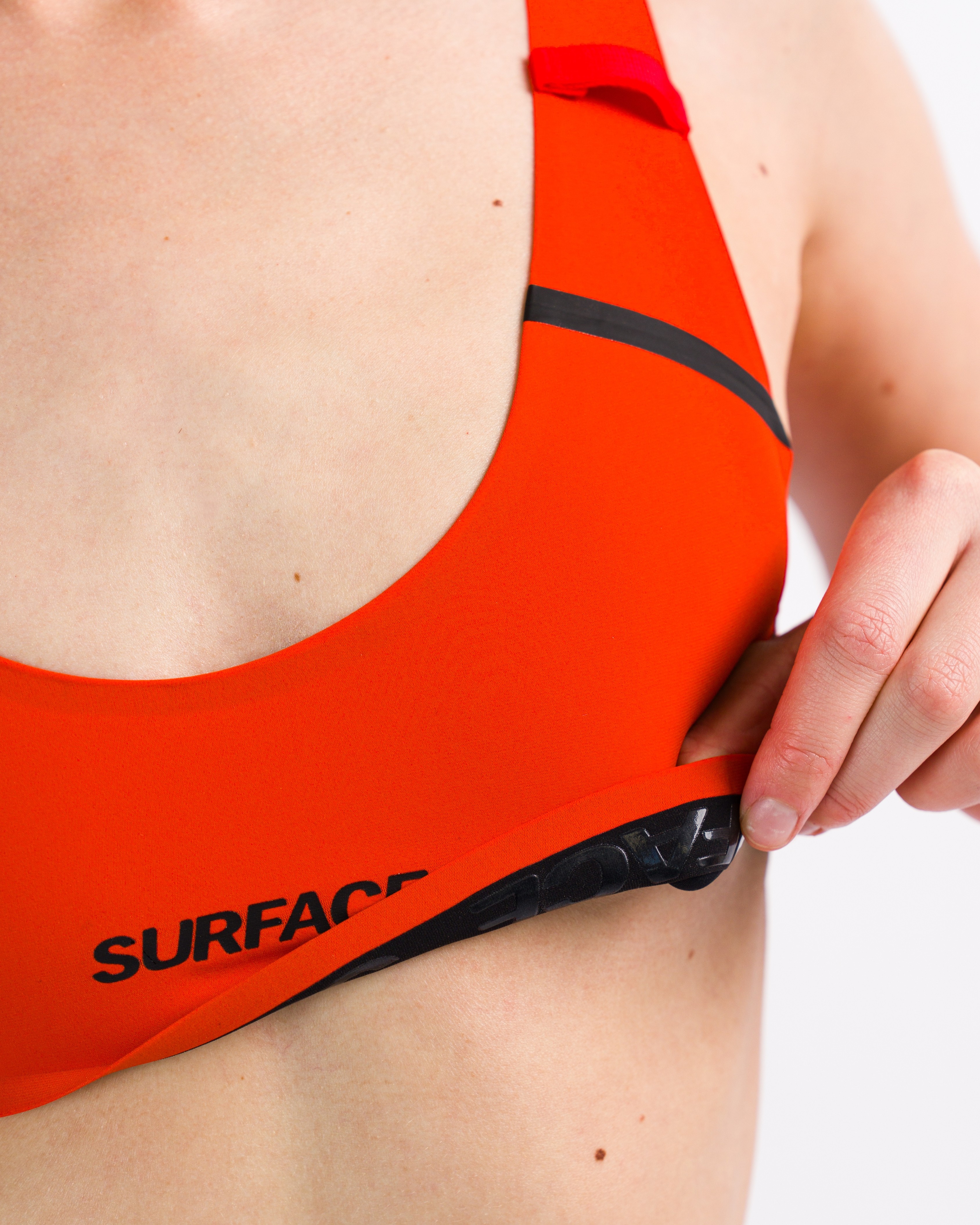
That experiment is where Surface started. Not with a brand vision or a target demographic. With a gripper strip and a willingness to find out.
The answer, if you're curious, is yes.